Couples who decide to start therapy before marriage are not anticipating failure, they are showing respect for the life they are building. Pre-marital counseling is less about predicting problems and more about learning how to handle conflict in ways that protect trust, affection, and a shared sense of purpose. I have seen engaged partners arrive full of warmth and still stumble over practical differences: spending styles, communication habits, family expectations, intimacy needs, and the always-tricky balance between independence and togetherness. When conflict hits those seams, even loving people can become adversaries. The work of pre-marital counseling is to prevent that slide.
Conflict itself is not the enemy. Couples who never disagree often end up avoiding real conversations, which leaves resentments to harden underground. The aim is not to eliminate conflict, but to turn it into a source of clarity and connection. If you learn to argue with care, you preserve your bond while tackling the problem in front of you. That is what healthy partners do, and it is learnable.
The case for practicing before the vows
Engagement is a compressed season, busy with logistics, family dynamics, and plans for a future that still feels abstract. It is also a high-stakes negotiation over everyday realities. Who handles what at home. How you divide money and time. Where you will live and for how long. Whether one person expects a parent to move in five years from now. If you do not talk through these matters until conflict erupts, you end up handling tricky topics in a state of adrenaline and defensiveness.
Pre-marital counseling offers a slower room. You and your therapist can name sensitive topics, rehearse hard conversations, and build a structure for decisions that will outlast the next argument. It gives both partners a language for needs and boundaries. That language prevents a hundred small avoidable injuries.
Couples in our practice, including those seeking couples counseling San Diego services or looking for a therapist San Diego CA who understands local pressures like high cost of living and small-space living, often arrive thinking they have “communication issues.” Usually they have meaning issues. Each partner is translating the other through a private dictionary built from family history, individual therapy, past breakups, and culture. One person says “I’m fine,” which meant “I need space” in their family of origin, while the other hears “You do not care.” Clarifying the dictionary is step one.
What conflict looks like when it goes right
I tell couples to picture conflict as a triangle with three corners: content, pattern, and emotion. Content is the literal topic, like budget or holiday plans. Pattern is the choreography that repeats under stress, such as pursue-withdraw or escalate-retaliate. Emotion is the layer below words, usually softer than it appears: fear, overwhelm, shame, longing, grief. When conflict goes well, you move among those corners deliberately. You touch content without losing sight of pattern, and you honor emotion without letting it sweep you off the road.
The nights that stand out in my memory are not the ones where people never raised their voices. They are the ones where a couple stopped mid-argument, named the pattern, and took a breath long enough to say what was underneath. “I am angry about the credit card bill, but I am also scared because debt makes me feel trapped.” That sentence opens a doorway. It invites collaborative problem-solving instead of a hunt for guilt.
The art of choosing the right moment
Most fights begin at the wrong time. You bring up finances at 10:45 p.m. after a long day. You start a conversation about sex on the heels of a hurtful comment. You talk about a parent’s health at the airport. Timing cannot rescue a careless tone, but it can make repair easier. Pre-marital counseling is where you learn your windows: when each of you is alert, generous, and able to handle nuance.
Rescheduling is a sign of respect. “This matters to me, and I want to give it the attention it deserves. Can we plan to talk tomorrow after dinner?” You are not dodging, you are protecting the conversation from stress hormones. The caveat is follow-through. If you make a habit of postponing without returning, you teach your partner that their concerns will be archived. Part of handling conflict with care is making good on the promise to come back.
Agreements that reduce damage
A handful of clear agreements shrink the risk of a fight turning into a rupture. I usually suggest couples pick two or three to start, then adjust them with experience.
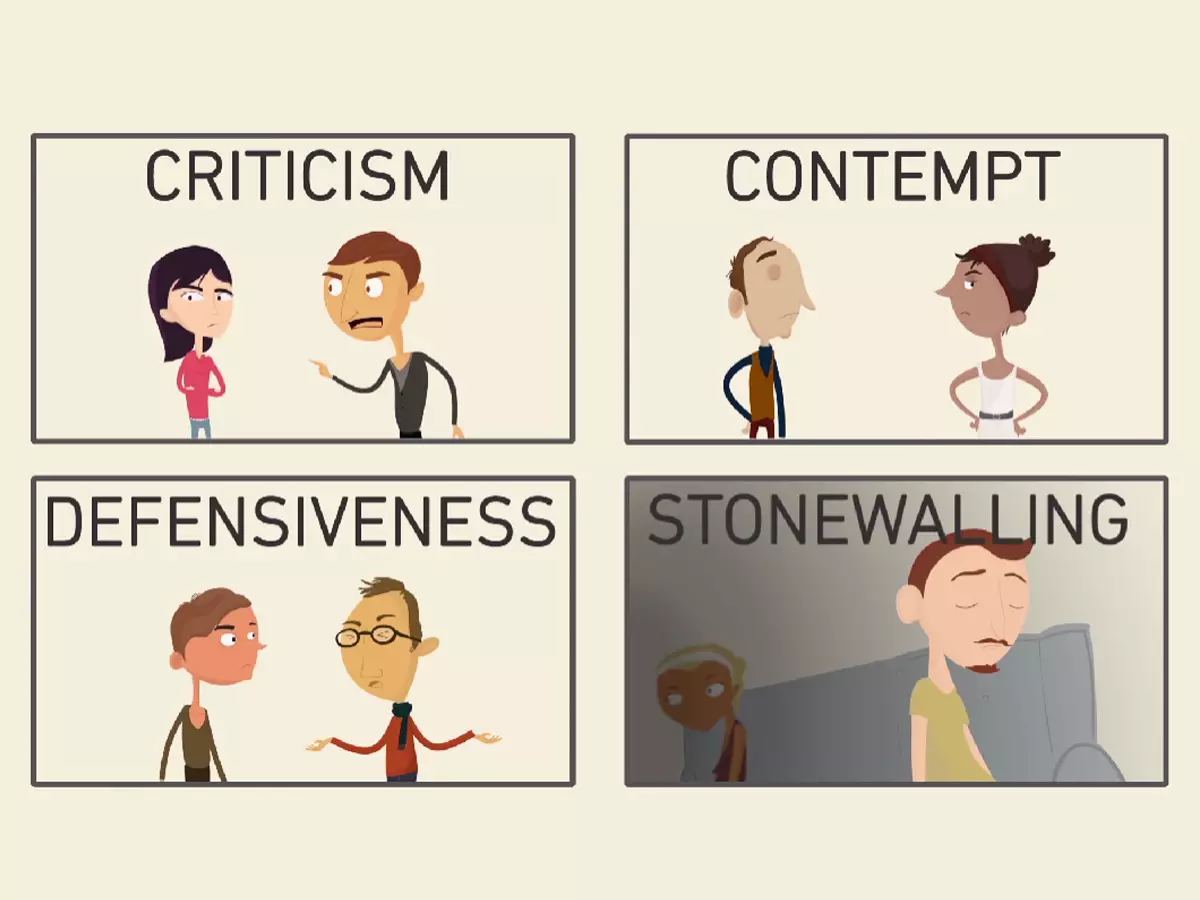
- We will not threaten the relationship during a fight. No “Maybe we should not get married,” unless you mean it and intend to discuss it with gravity later. We will take time-outs if escalation reaches a seven out of ten, and we will return within 24 hours. We will keep one problem on the table at a time. No piling on a list of every grievance from the last six months. We will avoid contempt: eye-rolling, name-calling, sarcasm aimed to wound. We will repair before bed if possible, even if the repair is small: a hand squeeze, a short “I care about you.”
These are not constraints for their own sake. They protect the foundation while you debate the furniture. If you are engaged and working with a therapist, bring your draft agreements to session. A neutral third party can help refine language and anticipate edge cases.
Naming the pattern so it cannot run you
Most couples repeat a conflict dance that is older than their current relationship. In family therapy, we often trace the pattern to nervous system habits learned young. Maybe one partner grew up in a home where silence meant safety, so they withdraw when tension rises. The other learned that talking fast and loud is how you keep a problem from exploding later, so they pursue. The more one withdraws, the more the other chases. Both feel blamed by the other’s nervous system, which is not a fair job for a nervous system to carry.
To interrupt the pattern, you need a shared nickname for it. I have heard couples call theirs “the loop,” “the blender,” or “the fog.” A nickname lets you point at the process without accusing the person. “I feel the blender starting” often lands better than “Why are you shutting down again?” In session, we slow the tape, identify when the loop typically starts, and practice a new first move. Sometimes it is as simple as a breath and an explicit cue: “I want to understand you, but I need a minute to settle. Can we sit side by side, not face to face, and try again in five?”
Conflict and money: a practical lab
Money fights carry a particular charge because they compress values, control, security, and history into a number on a screen. In pre-marital counseling, couples often discover they are not arguing about dollars, they are arguing about meaning. The spender is not reckless, they equate generosity with love. The saver is not controlling, they equate margin with safety. You do not force each other into one style or the other. You build a shared system that honors both meanings.
One couple I saw, engaged and planning to merge households in San Diego, faced the classic rent-versus-commute trade-off. He wanted to spend more to live close to work, she wanted to save for a down payment. We experimented with a decision matrix with only three columns: cost, time, and stress. They set ceilings and floors for each variable. They agreed to revisit quarterly. The argument lost heat because they had a structure that respected both fears. That is the goal. Not a perfect answer, a livable system.
If your arguments about money trigger panic, individual therapy can help you separate present choices from old wounds. Anxiety therapy often lowers the volume enough for a couple to talk through spreadsheets without sliding into shame. A therapist who understands both individual and couples work can coordinate care so you are not duplicating conversations.
Families of origin and the crowded room
Marriage blends more than two biographies, it blends two extended families with their own rules. Holiday schedules, gift expectations, boundaries around drop-ins, and the delicate topic of financial help will all surface early. Pre-marital counseling is where you move from implicit assumptions to explicit agreements.
I ask engaged couples to map the relationships that matter most in their family systems. Who was the mediator, who held secrets, where did pressure originate when there was a crisis? These maps reveal why some requests feel heavier than others. If your mother relied on you for emotional support after a divorce, your partner’s request to skip a weekly lunch might feel like abandonment, not scheduling. Seeing that clearly allows you to plan. You can say yes to some traditions and no to others without turning the conversation into character judgment.
Occasionally, family conflicts grow beyond what a couple can hold. That is where family therapy helps. A joint session with a parent and sibling, guided by a therapist, can loosen patterns that would otherwise keep generating marital tension. If you are local and searching for therapist San Diego CA options, look for clinics that house both couples counseling San Diego and family services under one roof. Coordination matters.
Sex, affection, and the awkward first drafts
Intimacy discussions can become conflict zones because they involve vulnerability and rejection fears. Pre-marital counseling needs to make room for direct talk: desire differences, frequency, initiation, preferences, and how to navigate porn, fantasy, or past experiences with trauma. The goal is not to set quotas but to learn how to talk when something shifts. Bodies change. Stress, grief, new jobs, and childcare all influence desire.
A helpful exercise is a bid journal. Each person tracks for a week the ways they seek connection, sexual or not. The quick text during lunch. A playful tap on the shoulder. A request for help with a task. You will notice patterns you missed. Often one partner is sending clear bids that land in the other’s blind spot. When you catch more bids, conflict drops because the daily reservoir of goodwill rises.
The repair kit: how to come back from the edge
Even with good agreements, you will misstep. Repair is the skill that keeps conflict from scarring. You do not need grand speeches. You need a few reliable moves that show insight and care.
- Name the impact without defending intent. “When I joked about the budget, it landed as dismissive. I get why that hurt.” Offer proportionate accountability. “I shut down for the last 15 minutes. I am going to reset and re-enter if you are open.” Provide a path forward. “Let’s revisit on Saturday with the spreadsheet and decide on three categories to adjust.” Mark the relationship. “We are on the same side, even when we are stuck.” Add a sensory cue. A brief touch, a glass of water, or a short walk together can help your bodies stand down.
Repair does not erase the topic. It reminds both of you that you matter more than the moment. Couples who repair quickly can handle harder content because they trust their own process.
Anger without injury
Anger is energy aimed at protection. In my office, people often fear that acknowledging anger will make it grow. The opposite is usually true. Naming anger early reduces explosions later. If anger turns into aggression, you have left the lane. The task is to keep anger tethered to information: what boundary was crossed, what value was threatened, what you need now.
For partners who struggle with volatile anger, adding structured support matters. Some benefit from anger management San Diego CA programs or targeted individual therapy to build impulse control and body awareness. Tools like paced breathing, temperature shifts, and brief movement are not gimmicks. They are ways to give your prefrontal cortex time to come back online. In couples work, we set rules that protect safety and dignity, then practice anger scripts that communicate heat without contempt.
Anxiety, grief, and the seasons of strain
Not all conflict begins with disagreement. Sometimes life events pour stress into a relationship. Anxiety about a job search, grief after a loss, or the quiet grind of caregiving can thin patience and lower curiosity. Pre-marital counseling should include a plan for those seasons: who you call, what you postpone, what rituals you keep to anchor the day.
Anxiety therapy gives individuals tools for rerouting spirals before they spill into fights. Grief counseling helps partners grieve differently without making the other wrong for their style. One person may want to talk every night, the other might need long stretches of silence. Both can be right. The key is to narrate your way of grieving so it is not misread as disconnection.
Conflict about roles and housework
Household labor is the site of a thousand micro-conflicts. Couples tend to talk about fairness only when one person is already simmering. Better to inventory tasks when no one is upset. List everything from cooking and laundry to scheduling appointments and remembering birthdays. Cognitive load counts. If one person is the default planner, compensate elsewhere or rotate the mental tasks.
Some couples split by preference, others by time, others by ability. There is no moral scorecard. The workable plan is the one you both endorse and revisit. Expect to adjust after the first flu season, the first big project at work, or any major change. In a small apartment, especially common for couples in San Diego, clutter escalates tensions quickly because you see every unfinished task. A weekly reset ritual, 30 minutes together with music on, often prevents larger fights.
When individual therapy strengthens the couple
There are topics where couples counseling hits a limit because the origin is personal. Trauma, addiction, eating disorders, chronic anxiety, or unprocessed grief often require individual therapy alongside the couple work. Integrating care prevents blame: the relationship is not responsible for healing wounds it did not inflict. In our practice, we sometimes pair pre-marital counseling with individual therapy San Diego resources to give each partner a private room for deeper work. Progress moves faster when both supports run in parallel and communicate with consent.
If one partner resists therapy, frame it not as a character verdict but as skill acquisition. People hire coaches for complex tasks all the time. Learning to regulate, to speak precisely, and to tolerate discomfort under pressure are trainable skills, not moral traits.
Decision-making under disagreement
You will disagree about real things with no obvious right answer: moving cities, taking a job with travel, whether to have pets before children, how much to spend on a wedding. Good decision-making under disagreement uses a few principles. The person most affected gets extra weight. The couple names the time horizon: is this a reversible decision or not. Both share minimum acceptable outcomes and red lines. Then you choose an experiment where possible, not a permanent rule.
One engaged couple facing a cross-country move tried a six-month test: one partner relocated first, the other visited monthly, and individual therapy san diego they tracked three metrics they cared about. At month five, the data was clear. The plan changed with less drama because the process felt fair. You cannot run every conflict as an experiment, but more can be piloted than couples assume.
Handling apologies without erasing complexity
Apologies can turn into traps when they become performances divorced from behavior. The best apologies are short and specific. They do not beg for immediate forgiveness, and they come with a repair action that fits the harm. If you snapped during a sensitive conversation, your action might be initiating the next one with better prep. If you delayed a decision that mattered, your action might be setting a concrete timeline with reminders you own.
There is also a limit. You are not obligated to accept apologies that keep coming without change. Pre-marital counseling is a place to practice the gentle but firm boundary: “I hear the apology, and I want to trust it. What will be different this time, and how will we notice?”
Technology and conflict hygiene
Phones and laptops are part of almost every couple’s life. They can also derail conflict care. Arguing by text introduces ambiguity and reduces empathy. Establish rules for digital conflict. For high-stakes topics, no texting beyond logistics. For scheduling, keep it written. For heated moments, use a simple pause signal rather than fire off paragraphs you will later regret.
Social media complicates loyalty boundaries. If you vent publicly or even in a group chat where your partner has no voice, you can wound trust. Build a small circle for outside processing and agree on what details are private. A therapist provides a confidential place to vent and think, which protects the relationship from becoming the stage for every frustration.
When to seek help and what to expect
If your conflicts escalate quickly, recycle the same themes without progress, include contempt or threats, or leave one or both of you feeling chronically unsafe, bring a professional in. Couples counseling San Diego providers vary in approach. Ask prospective therapists about methods they use, whether they offer structured pre-marital programs, and how they coordinate with individual therapy if needed. The right fit feels transparent and collaborative. You should leave sessions with practical tools, not just insight.
Pre-marital counseling typically runs six to twelve sessions, sometimes more if complex family issues are present. Expect assessments early, a clear plan for the middle phase, and a final session to consolidate skills and set a check-in point after the wedding. If you are navigating specific stressors like grief, anxiety, or anger, ask whether the clinician also provides grief counseling or anxiety therapy, or if they can refer you to trusted colleagues.

A small story about staying on the same side
Two clients come to mind, both in their thirties, engaged for eight months. One had a meticulous approach to planning, the other was a creative improviser. They fought about everything from seating charts to the order of daily chores. In session, we named their pattern and built two practices. First, a five-minute pre-argument ritual: sit down, touch knees, each states the hope for the conversation, then the fear. Second, a single question to hold the frame: “How does our future benefit if we solve this well?” It sounds almost quaint. Yet when they used it, their fights lost the sense of emergency. Decisions got better. The week before the wedding, a vendor cancelled, and they used the same ritual. They still felt angry. They also stayed teammates. That is the point.
The long view
Your first years together will map the routes you use under stress. Pre-marital counseling helps you lay those roads with care. You learn to notice when your nervous system spikes, to pause before you punish, to translate each other’s shorthand, to set family boundaries that reflect your values, and to come back after missteps without pride swallowing repair.
Handled well, conflict becomes a forge. It gives you a shared history of solving real problems. You trust that you can handle the next hard thing, not because you agree by default, but because you know how to disagree without breaking the frame. That confidence is worth more than a perfect plan. It is the quiet knowledge that you are building something that lasts, one argument handled with care at a time.